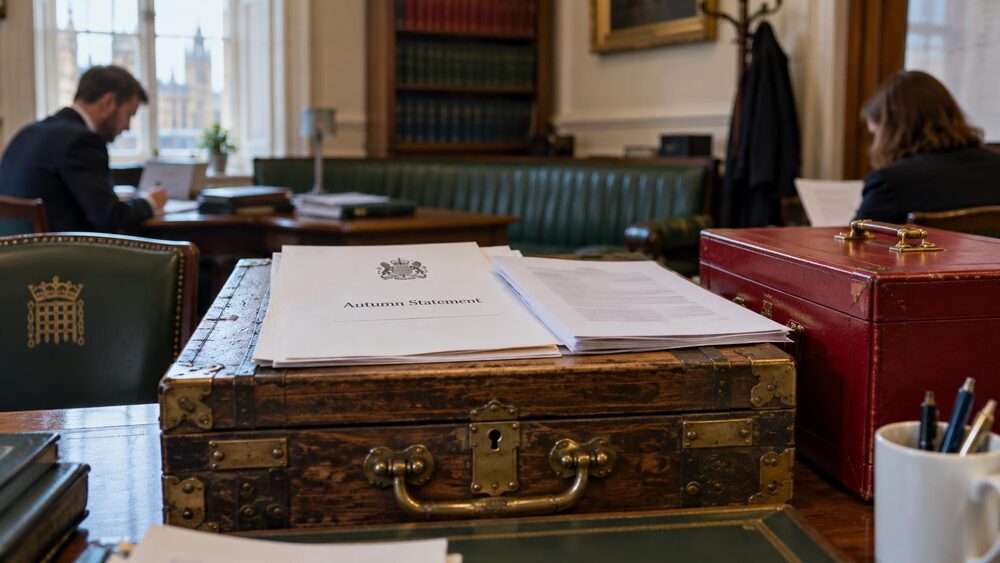
The Chancellor was due to deliver the Autumn Statement on Wednesday 22 November, with Ofgem's decision on the energy price cap following on Thursday 23 November1. The Bevan Foundation, an independent Welsh think tank, set out what it expected for winter energy costs ahead of both announcements1.
Energy prices were more than 50 per cent higher than in 2021/22, the foundation said, with gas at 7p per kWh and electricity at 27p per kWh in October to December 20231. It put the bill of a typical household using the same amount of energy as in previous years at £1,923 a year, or around £37 a week, and described Ofgem's lower estimate of £1,834 a year as a "sleight of hand" based on households having cut consumption1. Cornwall Insight was forecasting that prices would rise by five per cent, to £1,931 using new consumption figures, from 1 January 2024, and that they would stay high for the rest of the year1. Analysts were also forecasting a steep increase in electricity standing charges from April 2024 following a review by Ofgem, with households potentially paying 61p a day, or £4.27 a week, before using any electricity1. The Energy Bills Support Scheme, which gave £400 per household off bills in winter 2022/23, had ended, the foundation said, leaving help for pensioners through the Winter Fuel Allowance but nothing for people of working age1.
The Joseph Rowntree Foundation, in a briefing published on 17 November 2023, said the Autumn Statement "must address the breadth and depth of hardship in the UK"2. Its cost of living tracker found that families going without essential items remained at a survey high of 7.3 million, or 63 per cent of low-income families, in October 2023, the same level as in the first half of 20232. Food insecurity, defined as reducing meals, skipping meals or going hungry in the previous 30 days, rose from 5.2 million households in May 2022 to 5.9 million in October 20232. Around three in ten low-income families, 33 per cent, had gone without three or more different essentials in the past six months, and one in six families, 1.9 million in total, had turned off their fridge or freezer since April 2021 to reduce energy costs2.
The foundation reported that arrears had settled at around four in ten low-income families, 41 per cent, being behind on bills at a given point, an increase of around one million compared with October 20212. The number of families rejected for an unsecured loan, excluding mortgages, rose to 2.1 million, an increase of 300,000 between May 2023 and October 20232. In a quarter of low-income working families, 25.5 per cent, someone thought it likely they would lose their job in the next 12 months2. The foundation noted that benefit payments saw "some modest catch-up with inflation in April 2023 with uprating of 10.1%", that interest rates rose from 0.1 per cent at the end of 2021 to 5.25 per cent in August 2023, and that much temporary government support was scheduled to expire in 20242.
"The Chancellor is delivering the Autumn Statement on Wednesday 22 nd November"
Why it matters for households
The Autumn Statement date set the timing for tax and benefit decisions affecting household incomes, while the Ofgem announcement the following day covered the price cap for January to March 20241. On the forecasts cited, unit costs were expected to rise, taking a typical bill to £1,931 from 1 January 2024 using new consumption figures1. Standing charges for electricity were forecast to rise from April 2024, which would affect households regardless of how much electricity they used1. The £400 per household provided under the Energy Bills Support Scheme in winter 2022/23 was not repeated, so households did not receive that support in winter 2023/241.
The JRF figures describe the position of low-income families before the Autumn Statement: 7.3 million going without essentials, 5.9 million households experiencing food insecurity, and 41 per cent of low-income families behind on bills2. It also reported that 84 per cent of households on Universal Credit were going without essentials and 73 per cent had experienced food insecurity in the 30 days before the survey2. Benefit uprating of 10.1 per cent took effect in April 2023, and the foundation said much temporary cost of living support was due to expire in 20242.
What happens next
Ofgem's decision on the price cap for January to March 2024 was due on 23 November, the day after the Autumn Statement1. The Bevan Foundation said it remained to be seen what Ofgem would announce and whether the Chancellor would provide any respite in the Autumn Statement1. The JRF briefing said the Autumn Statement needed to ensure existing benefits and support retained their real terms value over the coming months2. Further detail on the regulation of energy prices and consumer policy is covered in the site's regulation and policy section.

 Financial Ombudsman ServiceFree, independent help when a complaint about a firm is not put right
 FSCSProtects your money if a bank, insurer or investment firm fails
 FCA Warning ListCheck whether a firm is authorised before you deal with it
 MoneyHelperFree, impartial money and pensions guidance, set up by government
 Citizens AdviceFree advice on money, consumer and legal problems in England and Wales