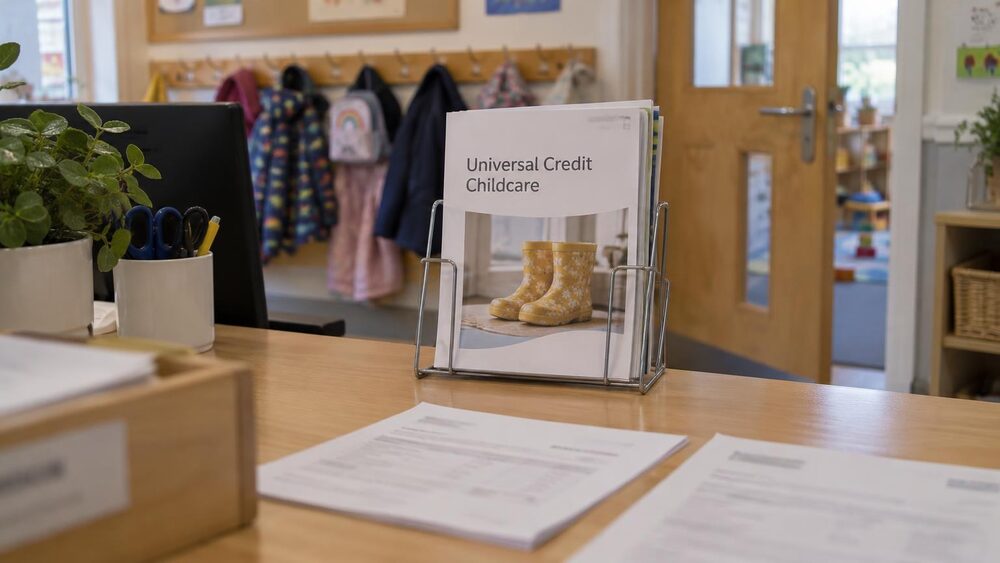
The maximum amount of childcare costs that can be claimed through Universal Credit rises from July 2023 to £951 a month for one child and £1,630 a month for two or more children, up from £646 and £1,108 respectively1. The change was announced in the Spring Budget1. The monthly amounts will then be increased by CPI inflation each year until 2027/281.
The previous caps had been fixed since Universal Credit began, and were themselves based on a tax credit limit set in 2005, which the independent analysts at entitledto describe as partly explaining the 47% increase1. The higher limit does not apply to people claiming Child Tax Credit, whose cap has been fixed since 20052. The OECD records the same July 2023 change, giving the figures as £646.35 to £950.92 for one child and £1,108.04 to £1,630.15 for two or more, and notes further increases from April 2024 to £1,014.63 and £1,739.37, and from April 2025 to £1,031.88 and £1,768.943.
"From July 2023 the maximum amount of help available with childcare costs under Universal Credit will be increased to £951/month (from £646) for one child and £1,630/month (from £1,108) for two or more children."
| Universal Credit childcare maximum | Before July 2023 | From July 2023 |
|---|---|---|
| One child | £646 a month | £951 a month |
| Two or more children | £1,108 a month | £1,630 a month |
Source: entitledto1
Separately, free childcare hours for working parents in England are being rolled out in stages: 15 hours a week for all working parents of two-year-olds from April 2024, 15 hours a week for all working parents of children aged nine months up to three from September 2024, and 30 hours a week for the same group from September 20251. Parents in England working over 16 hours a week, with both members of a couple needing to work those hours, will eventually be able to receive up to 30 hours free childcare a week for 38 weeks a year1. From summer 2023, a parent moving into work or increasing their hours will be able to claim help with their first month's childcare costs before having to pay for the childcare, rather than paying upfront and reclaiming1.
The same Budget set out changes to work requirements. Lead carers of children aged one and two will need to meet a work coach to prepare for returning to work, and parents of children aged three to 12 will need to look for work or increase their hours to meet their claimant commitment1. The Administrative Earnings Threshold rises from the equivalent of 15 hours of earnings at the national living wage to 18 hours, and the couple rule requiring 24 hours of earnings between them is removed so each person must meet the 18-hour threshold individually1.
Why it matters for households
The higher caps apply to working parents claiming Universal Credit who pay for childcare, from July 20231. Because the amount that can be included in a Universal Credit award rises, some households with childcare costs can keep entitlement at higher earnings than before. In a worked example, a couple who own their home, both work and have one child in full-time nursery at the national average cost of £14,836 a year would have seen Universal Credit eligibility end at joint earnings of £44,000 a year in 2022/23; from July, with the higher cap and the April benefit uprating, that point moves to joint earnings above £57,000 a year2. For a couple without children renting privately in outer north London, where the rent cap is £230.77 a week, the cut-off rises from £38,800 to £39,7002. Benefit rates rose by 10.1% in April 2023, a decision confirmed in the November 2022 Autumn Statement2. Any entitlement at all, even a few pounds a month, also qualifies a household for cost of living payments worth £9002. The Local Housing Allowance freeze means private renters see less of the uprating than the headline rate implies2.
What happens next
The higher childcare caps take effect from July 20231. The first month's childcare costs can be claimed in advance from summer 20231. Free childcare hours for working parents in England begin in April 2024, extend to children aged nine months up to three in September 2024, and reach 30 hours a week in September 20251. The childcare maximums are to be uprated by CPI inflation each year until 2027/281.
Sources3 cited
- Spring Budget update March 2023 entitledto.co.uk
- Higher benefit rates mean workers need to check their entitlements entitledto.co.uk
- Tax and benefit policy descriptions for the United Kingdom 2025 oecd.org

 Turn2usFree benefits calculator and grants search from a charity
 Citizens AdviceFree advice on money, consumer and legal problems in England and Wales
 GOV.UKOfficial information on tax, benefits and government services
 MoneyHelperFree, impartial money and pensions guidance, set up by government