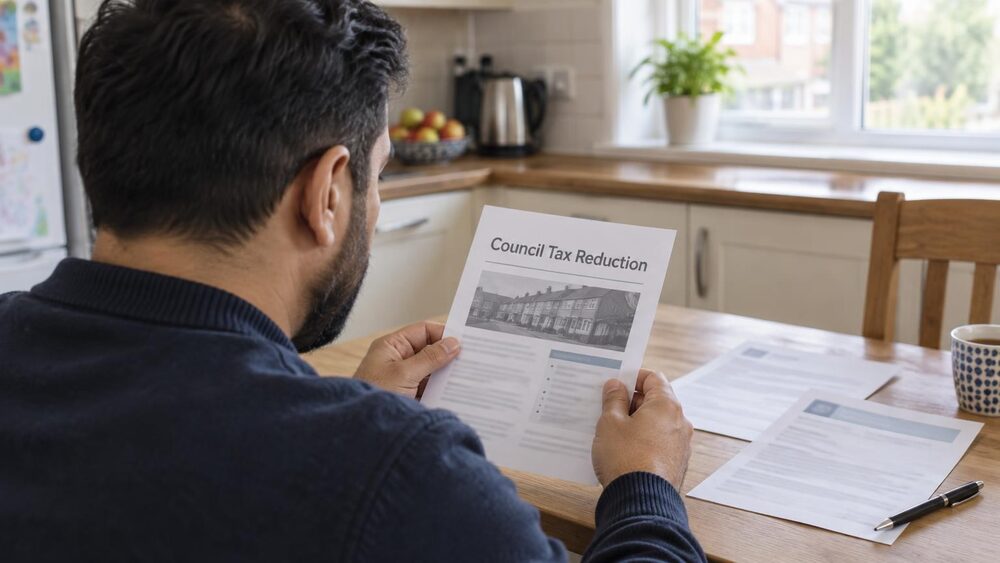
Most English local authorities that changed their Council Tax Reduction schemes for 2023/24 made them more generous, according to a survey published on 16 May 2023 by entitledto, an independent benefits calculator provider1.
Around 13% of local authorities in England, 39 in total, changed how they calculate Council Tax Reduction for 2023/241. The most common change was to increase the maximum support available for the poorest households, which 29 local authorities did. Only one local authority reduced its maximum support1.
The second most common change was to introduce an income-banded scheme, which 12 local authorities did. Around 30% of Council Tax Reduction schemes are now income-banded, and entitledto says it can provide a further report detailing the 90 income-banded schemes now in place across the country1.
The survey also recorded 11 other changes that make schemes more generous, through capital rule changes, extra income disregards, removal of band caps and reduction of minimum awards1.
"As with 2022/23, we found that most of those making changes to their schemes this year moved towards making them more generous."
The findings cover all of England's 296 Council Tax Reduction schemes, which entitledto says are included in its dataset and available in its calculators1. The survey has been run since the schemes were introduced ten years ago, with each local authority's website reviewed to establish whether its scheme changed in the past year1.
The report sets the changes against a 5.7% average rise in Council Tax bills in 2023/24, noting that protecting the existing Council Tax Reduction scheme prevents claimants facing the full effect of rising bills1. It also describes the competing pressures on councils: real terms reductions in government funding and increased demand for council-funded care, against the effect of the cost-of-living crisis on low-income households1.
Why it matters for households
Council Tax Reduction reduces the council tax bill of people on a low income, whether they are working or not, and the amount of support depends on the rules each local authority sets. For 2023/24, most of the 39 councils that altered their rules moved in the direction of more support, and the single most common change raised the maximum support available to the poorest households1. Households in those areas are affected from the start of the 2023/24 financial year, though the report does not list which councils made which change.
The wider context is that bills rose by 5.7% on average in 2023/241. Where a scheme was left unchanged, the report says, claimants are protected from the full effect of that rise, because the reduction is calculated on the bill1. Where a scheme became more generous, the maximum support available rose. Where the one authority cut its maximum support, claimants there face a larger share of their bill than before.
The shift towards income-banded schemes, now around 30% of all schemes, changes how entitlement is worked out: instead of a means test based on detailed income, support is set by which income band a household falls into1. The report does not say how individual households' awards changed as a result.
What happens next
The report covers scheme rules set for 2023/24 only. No further changes for the following year have been reported. Entitledto says it can supply a separate report on the 90 income-banded schemes on request, and offers to assist local authorities considering changing their scheme1. The full 2023/24 report is available to download1.
Sources1 cited
- Council Tax Reduction schemes in England 2023/24 entitledto.co.uk
 Turn2usFree benefits calculator and grants search from a charity
 Citizens AdviceFree advice on money, consumer and legal problems in England and Wales
 GOV.UKOfficial information on tax, benefits and government services
 MoneyHelperFree, impartial money and pensions guidance, set up by government