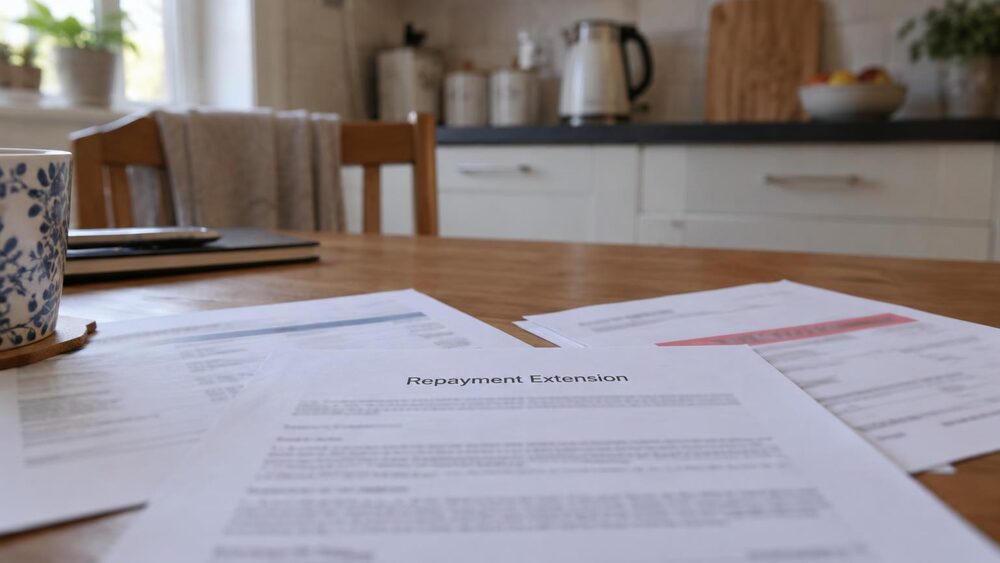
NatWest is extending the repayment period for customers who have missed several payments on an unsecured debt, such as a loan or overdraft, from 18 to 24 months, from February 20231. The change applies across the NatWest Group, which also includes Royal Bank of Scotland and Ulster Bank1.
The bank said the move followed its observation that customers were cutting back on food and fuel1. It sits alongside other support the group has described for customers in financial difficulty, including waived fees and charges, an online cost of living hub with a spending tracker and budget calculator, and the option to book a video call with a senior personal banker1. The group says its financial health and support services work with specialist partners including PayPlan and Citizens Advice1.
Last year the NatWest Group contacted 2.7 million personal and business banking customers it had identified as being on the lowest incomes and spending more than 10% of their monthly incomings on energy, offering support and information about the rising cost of living1. Customers who are worried about missing a payment, or already have, are directed to chat options in the banking app or online banking; starting the chat with the words "struggling financially" is intended to route them to the right support1.
The group is also offering support aimed at businesses with fuel costs. Customers with business credit cards will get between 1% and 3% cashback when they spend on electric vehicle charging, starting from 14 February 20231. That follows a move last year to freeze all fees on business current accounts for at least a year1.
The extension was reported as part of a wider survey of cost of living measures from UK banks, which also covered Barclays, HSBC, Lloyds Banking Group, Monzo, Nationwide, Santander and Starling1. An estimated 2.3 million households missed or defaulted on at least one bill payment in January 2023, whether for a mortgage, loan, credit card, rent or other household bill, according to the Which? Consumer Insight Tracker1.
Why it matters for households
That is a longer window, which means the amount added to each payment to clear the missed amounts is spread over more instalments than before. The change applies to unsecured borrowing such as loans and overdrafts, not to mortgages1.
The group's own figures indicate the scale of the pressure it is responding to: 2.7 million personal and business customers were contacted after being identified as being on the lowest incomes and spending more than a tenth of their monthly incomings on energy1. Separately, 2.3 million households across the UK missed or defaulted on at least one bill payment in January 20231.
The business credit card cashback on electric vehicle charging runs from 14 February 2023, at between 1% and 3%1. The report does not state an end date for that cashback, and no end date for the extended repayment period has been reported1.
What happens next
The extended repayment period took effect in February 20231. The business credit card cashback on electric vehicle charging starts on 14 February 20231. No further dates for either measure have been reported1.
Households dealing with unsecured debt can read our guides to debt and to what to do if you can't repay a loan, or, for overdrafts specifically, struggling to repay an overdraft. Details of the provider are in our NatWest page.

 StepChangeFree debt advice and solutions from a charity
 National DebtlineFree debt advice by phone, webchat and online
 MoneyHelperFree, impartial money and pensions guidance, set up by government
 Citizens AdviceFree advice on money, consumer and legal problems in England and Wales
 Citizens Advice ScotlandFree advice across Scotland