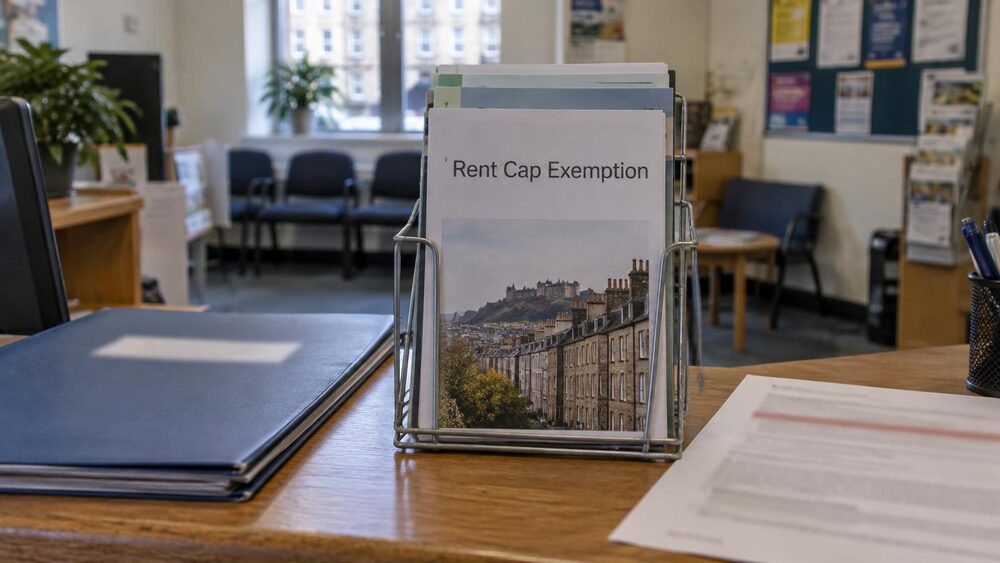
Council and housing association tenancies in Scotland were removed from the temporary rent cap on 26 February 2023, according to guidance from Business Debtline1. The cap continued to apply to most private tenancies1.
The Scottish Government announced a temporary rent cap and ban on evictions for most tenants from 6 September 20221. The cap was set at 0%, meaning that in most cases a landlord could not ask for an increase until 1 April 20231. It then rose to 3% from 1 April 20231. Both the eviction ban and the rent cap ended on 31 March 20241.
Some tenancy types were not subject to the cap at all, including a tenancy that started before 1989, called a regulated tenancy, or a lodger agreement where the tenant lives with the landlord2. Private landlords could seek an increase above the cap in limited circumstances, where mortgage interest payments, insurance premiums or service charges related to the property had increased1. Where a landlord could apply for an increase, the guidance states that a tenant should only pay 50% of the landlord's increased costs up to a maximum of 3% of the current rent, rising to a maximum of 6% from 1 April 20231.
"From 26 Februray 2023 council and housing association tenancies will not be subject to the rent cap. The rent cap will continue most private tenancies."
The guidance covers Scotland only and states that different advice applies in England and Wales1. It also sets out the position on evictions during the ban: a landlord could still apply to the court or tribunal, but in most cases could not evict until the ban ended1. Exceptions included antisocial behaviour, criminality, an empty property, a landlord needing to sell or live in the property because of financial difficulty, and the tenant living with the landlord1. Private tenants with arrears of six months or more, and social tenants with arrears of £2,250 or more, were also among the exceptions1.
Why it matters for households
For social tenants in Scotland, the change meant that from 26 February 2023 a council or housing association landlord was no longer bound by the cap when setting an increase1. Private tenants remained covered until 31 March 2024, when the cap and the eviction ban both ended1. After that date, a private landlord wanting to raise the rent must send a rent increase notice, and a tenant who thinks the increase is too high can challenge it, with a rent officer working out the correct amount based on the value of the property and the current rent2.
The wider regulation and policy context includes the benefit rules that affect what tenants pay. For social tenants of working age, Housing Benefit can be cut by 14% for under-occupying by one bedroom, or 25% for two or more bedrooms1. The Department for Work and Pensions should start paying the housing costs element of Universal Credit within five weeks of a claim, and the council should start paying Housing Benefit within 14 days1. Deductions from Universal Credit can be up to 20% of the standard allowance1.
What happens next
The rent cap and eviction ban ended on 31 March 20241. For private tenancies, rent increases sought on or after 1 April 2024 require a rent increase notice, which can be challenged2. No further measures have been reported.
Sources2 cited
- Rent arrears for social housing (Scotland) | Business Debtline businessdebtline.org
- Rent arrears for private tenants (Scotland) | Business Debtline businessdebtline.org
 Financial Ombudsman ServiceFree, independent help when a complaint about a firm is not put right
 FSCSProtects your money if a bank, insurer or investment firm fails
 FCA Warning ListCheck whether a firm is authorised before you deal with it
 MoneyHelperFree, impartial money and pensions guidance, set up by government
 Citizens AdviceFree advice on money, consumer and legal problems in England and Wales