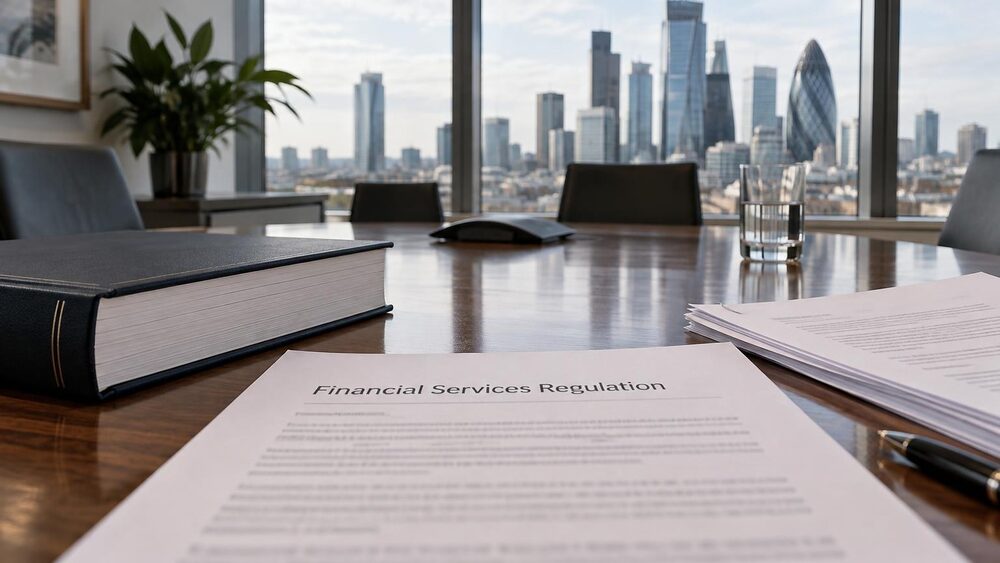
The UK government has relaunched what is described as the biggest shake-up of financial sector regulation for a generation, under the name the Edinburgh reforms1. The relaunch drew a warning from the Bank of England against too much deregulation1. The reforms were set out by the Chancellor, Jeremy Hunt, in December 20221.
"The UK government has (re-) launched the biggest shake-up of financial sector regulation for a generation in the 'Edinburgh reforms'"
The package covers several areas of financial regulation in the UK. Reforms to the Solvency II insurance regime have been presented by the government as releasing billions for investment, but the Bank of England has warned that they actually increase risks1. Separately, the Bank of England is going to stress-test hedge funds and private equity, as global regulators turn their attention to risks outside the banking system1.
On consumer protection, many big financial firms are not ready for the new consumer duty rules, which are intended to enhance consumer protection1.
The same round-up sets out figures on household finances and on the wider financial system:
| Item | Figure |
|---|---|
| Households the regulator estimates are at risk of mortgage default | 750,0001 |
| UK credit card borrowing | highest level since 2004, helped by the cost-of-living crisis1 |
| Rise in the number of UK billionaires since the pandemic | 20%1 |
| Share of all new wealth taken by the top 1% in recent years | almost two-thirds1 |
| Bank financing for energy that supports renewables | 10%1 |
| Banks and financial institutions financing methane activities through meat and dairy | 401 |
On climate-related finance, HSBC says it will stop financing new oil and gas fields, though with caveats1. Only a few members of the Glasgow Financial Alliance for Net-Zero have adopted meaningful policies to restrict new fossil fuels1. The cost of catastrophe insurance is soaring, and some reinsurers are going bust1.
Why it matters for households
The Edinburgh reforms change the rules that govern banks, insurers and other financial firms, and the Bank of England has warned against too much deregulation in the package1. For households, the practical effects run through the products they hold and the firms that sell them. The consumer duty rules are intended to enhance consumer protection, and many big financial firms are not ready for them1. The Bank of England's stress tests of hedge funds and private equity concern risks outside the banking system1. On insurance, the Solvency II reforms have been described by the government as releasing billions for investment, while the Bank of England has warned they actually increase risks1.
The figures on household borrowing and mortgage default risk sit alongside these regulatory changes. The regulator estimates 750,000 households are at risk of mortgage default, and credit card borrowing has risen to its highest level since 2004, helped by the cost-of-living crisis1. The round-up also reports that the number of UK billionaires is up 20% since the pandemic and that the top 1% have taken almost two-thirds of all new wealth in recent years1.
What happens next
The Bank of England is going to stress-test hedge funds and private equity1. The consumer duty rules are described as new, with many big financial firms not ready for them1. No further dates for the Edinburgh reforms have been reported.
Sources1 cited
- Changing finance: new this month - January - Finance Innovation Lab financeinnovationlab.org

 Financial Ombudsman ServiceFree, independent help when a complaint about a firm is not put right
 FSCSProtects your money if a bank, insurer or investment firm fails
 FCA Warning ListCheck whether a firm is authorised before you deal with it
 MoneyHelperFree, impartial money and pensions guidance, set up by government
 Citizens AdviceFree advice on money, consumer and legal problems in England and Wales