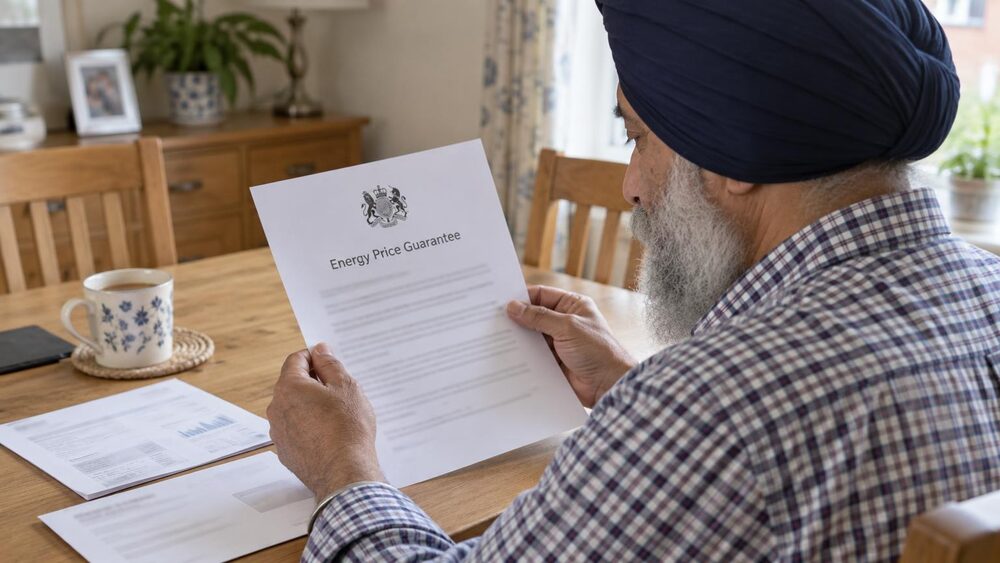
Liz Truss announced a new Energy Price Guarantee on her second full day in office, capping typical households' energy bills at £2,500 for the next two years1. The announcement was made on 1 September 20221.
The Resolution Foundation, an independent think tank, said the Government provided no costings of its own for the policy1. Its own analysis suggested the guarantee could cost around £60 billion over the next six months, rising to around £120 billion over the next two years1. Adding support for business, the think tank said the total could easily surpass the £137 billion spent bailing out the banks at the height of the financial crisis, though it noted it will be a couple of years until the actual final cost is known1.
"Liz Truss provided an emphatic answer on just her second full day in office by announcing a new Energy Price Guarantee"
The Resolution Foundation said that once the £30 billion of support announced by the previous chancellor, Rishi Sunak, is factored in, the Government is providing on average £2,200 worth of cost of living support to every household this year1. It said this would be enough to prevent a broad living standards catastrophe but would not stop this winter feeling very tough for households, with energy bills still twice as high as the previous winter and pay packets shrinking amid double-digit inflation1. It added that the UK's four million families on pre-payment meters, who tend to have lower incomes, will still need to find £250 up front to keep the heating on in January alone, due to the higher cost of gas and greater household gas use in that month1.
The think tank also set out how it expected support to be distributed across income groups in 2023-241:
| Household group | Estimated cost of living support, 2023-24 |
|---|---|
| Richest tenth of households | £4,700 |
| Poorest tenth of households | £2,200 |
It said rich households stand to receive twice as much cost of living support as poorer households, despite the latter being most exposed to high energy bills1. It attributed this to support being geared towards richer families, who it said stand to benefit most from a cut to National Insurance contributions that the Government was expected to announce in the coming weeks1.
Why it matters for households
The guarantee caps typical household energy bills at £2,500 for two years from the announcement on 1 September 20221. The Resolution Foundation said energy bills will still be twice as high as they were the previous winter, and that the £400 energy bills discount will expire, with pensioners and working-age families receiving means-tested benefits not getting another round of £650 lump-sum payments1. It said next year could feel even tougher for many families as much of the Government support runs out, even if benefits are increased in April to keep pace with prices1. It also said the uncosted nature of the policy, and the refusal to countenance further windfall taxes on energy providers or solidarity taxes on richer households, means the cost will ultimately be paid by higher taxes on future generations and via higher interest rates, with the large economic stimulus putting pressure on the Bank of England to raise rates faster than planned1.
What happens next
The Resolution Foundation said the Government was expected to announce a cut to National Insurance contributions in the coming weeks, and that it will be a couple of years until the actual final cost of the guarantee is known1. No further dated steps were reported in the source.

 Financial Ombudsman ServiceFree, independent help when a complaint about a firm is not put right
 FSCSProtects your money if a bank, insurer or investment firm fails
 FCA Warning ListCheck whether a firm is authorised before you deal with it
 MoneyHelperFree, impartial money and pensions guidance, set up by government
 Citizens AdviceFree advice on money, consumer and legal problems in England and Wales