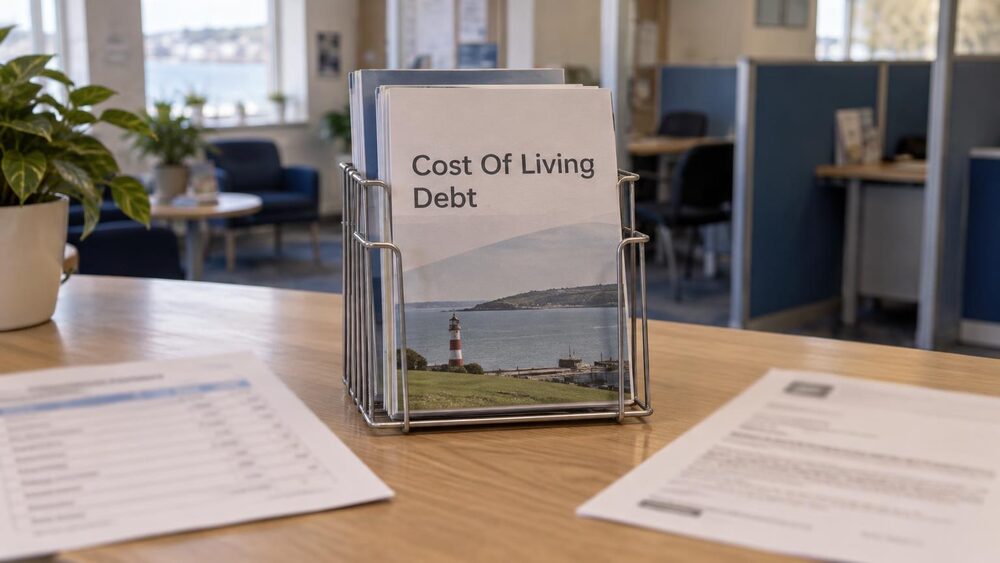
More than one in five people who came to StepChange Debt Charity for advice in September 2022 said a cost of living increase was the main reason they were in debt, according to the charity's monthly client data report for that month1. The figure, 22% of new clients, made it the most cited reason, ahead of "lack of control over finances" at 16%1.
The charity's September 2022 report covers the demographic and debt information of new clients who first received debt advice that month1. It also records that the proportion of clients in receipt of Universal Credit rose by three percentage points to 35%, and the proportion with a negative budget rose by two percentage points to 34%, compared with the previous calendar month1. Arrears with dual fuel (56%), electricity (31%) and gas (26%) bills all increased compared with August 2022, while the share of clients behind on personal loans (44%), overdrafts (32%) and short-term high cost credit or payday loans (9%) fell1.
StepChange received 323,000 website visits in September 2022, 7% lower than the 340,000 in August, though traffic to its emergency funding pages rose 4% and to its pages on government help with gas and electricity bills rose 11%1. Around 500 fewer clients accessed full debt advice than in August, and the share using the online channel fell by three percentage points, although September saw the second highest volume of clients completing debt advice online in 20221. The charity advised more women (63%) and single parents (26%), and fewer clients in full time employment (39%), than in August 20221.
Later figures put the September 2022 share in context. A Scottish government review of the evidence on the cost of living crisis and problem debt, published on 20 December 2024, reports that 25% of new UK StepChange clients in 2023 cited a cost of living increase as their main reason for debt, an increase of seven percentage points on 2022 and 19 percentage points on 2021, when the figure was 6%2. In Scotland, 25% of new StepChange clients cited it in 2023, up 2% since 20222. A University of Bristol report published in October 2025, covering StepChange client data from 2022 to 2024, says a cost of living increase was the most common reason for debt in 2024, cited by 21% of new clients3.
The Scottish government review records that StepChange advised 183,403 new clients across the UK in 2023, up from 167,351 in 2022, and that average UK client debt rose from £11,000 in 2021 to £14,654 in 20232. Average unsecured debts among Scottish StepChange clients rose from £12,730 in 2021 to £16,337 in 2023, and client average arrears increased 30% between 2019 and 2023, the highest in five years2. The review also notes that figures from debt advice services do not capture people in debt who do not seek advice, citing FCA research that only 21% of adults who felt heavily burdened by their debts and 29% of those who had fallen behind on or missed paying bills sought help in the last year2.
"Over one in five (22%) clients cite a 'cost of living increase' as their main reason for debt."
Why it matters for households
The figures describe who was asking for help and why, at a point when energy and other household bills were rising. They do not cover everyone in difficulty: the Scottish government review states that debt advice service data excludes people who do not seek advice, and that only a minority of adults who felt heavily burdened by debt or had missed bill payments had sought help in the past year2. For households already in arrears, the September 2022 data shows the largest groups were behind on dual fuel, electricity and gas bills, and more than a third had a negative budget, meaning income did not cover essential outgoings1. The review records that one in three UK new StepChange clients had a deficit budget in 2023, up from 30% in 2022, and in Scotland the share rose from 27% to 31%2. It also reports that 21% of people had borrowed to pay for essentials in the previous six months, and that 59% of new clients of Christians Against Poverty in 2023 had an equivalised income below the poverty line2. The Bristol report notes that in June 2025, 29% of StepChange clients reported a negative budget, and that over half (55%) of the charity's new clients had a vulnerable characteristic in addition to their debt problem3.
What happens next
The Scottish government review was published on 20 December 20242. The University of Bristol report, published in October 2025, sets out six longer-term ambitions and eight "quick wins" for energy suppliers and debt advice providers, including that suppliers pause collection activities while a customer is seeking debt advice and acting on it, and that they adopt the Standard Financial Statement for producing and accepting customer income and expenditure statements3. It also notes that Ofgem put in place new and updated rules at the end of 2023 to make it easier for domestic customers to contact their supplier, and that a new Consumer Energy Debt Advice service led by Citizens Advice, in partnership with the Money Advice Trust and StepChange, will support clients to resolve energy debt problems3. No implementation dates for the report's recommendations are given in the documents3.
Households working out what they owe and what they can afford can find background in our guides to debt and to budgeting for repayments using the Standard Financial Statement.
Sources3 cited
- Monthly Client Data Report. September 2022. StepChange stepchange.org
- 6. Demands on debt advice services and changes over the cost of living crisis - Cost of living - effects on debt: review of emerging evidence - gov.scot gov.scot
- Powering up support. Unlocking better pathways from energy debt to debt advice bristol.ac.uk

 StepChangeFree debt advice and solutions from a charity
 National DebtlineFree debt advice by phone, webchat and online
 MoneyHelperFree, impartial money and pensions guidance, set up by government
 Citizens AdviceFree advice on money, consumer and legal problems in England and Wales
 Citizens Advice ScotlandFree advice across Scotland