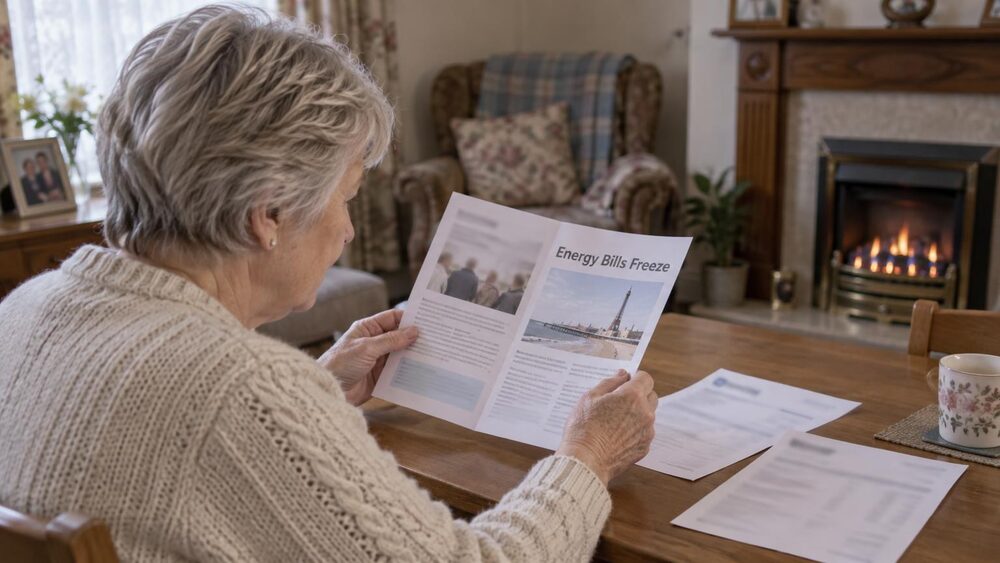
Labour announced a plan on 14 August 2022 to freeze domestic energy bills at the level set by the April 2022 price cap until the end of March 2023, instead of allowing them to rise in October 2022 and January 20231. The plan was announced by the party leader, Sir Keir Starmer1. Labour's announcement said: "Stopping energy bills from rising is a fully-funded measure, with a total cost of £29bn."1 On 18 August, Labour called for Parliament to be recalled in order to freeze energy bills1.
The party's policy document sets out costs by customer type. It estimates 15 million customers in Great Britain pay by direct debit and are affected by the cap, at a cost of £14.7 billion; standard credit customers at £5.4 billion; pre-payment meter customers at £5.3 billion; off-grid customers at £2.6 billion; and households in Northern Ireland at £0.8 billion1. Labour says this means the plan would cost a total of £28.9 billion1. The price cap limits the prices paid by customers using prepayment meters and on variable or default tariffs, but not those on fixed-rate tariffs2.
Industry forecasts cited in the document put the annual cost for a typical household paying for both gas and electricity by direct debit at £1,971 under the April price cap, rising to £3,582 in October and £4,266 in January 20231. On that basis, direct debit customers would expect to pay on average £134 more per month from October to December and £191 more per month from January to March, compared with their current bill1.
Full Fact's analysis found the plan does not account for higher winter consumption. Ofgem estimates a typical household uses around 2,900kWh of electricity and around 12,000kWh of gas a year, with around 56% of that electricity and 76% of that gas used from October to March1. Full Fact estimated the additional cost of direct debit customers' winter consumption would add about another £5 billion to the plan, or roughly £340 per household1. The Institute for Fiscal Studies estimated separately that the total cost across all customers would be around £8 billion higher than Labour's figure1.
"Energy use rises enormously over the winter months, and, as they stand, Labour's plans would not cover the cost of freezing prices for the additional energy consumed by households over this period."
On funding, Labour documents set out an additional tax on oil and gas producers (£8 billion), estimated savings on debt interest payments due to a forecast reduction in inflation (£7 billion), diverting money already planned for the £400 bills discount (£12 billion), and not going ahead with either of two Conservative leadership proposals on green levies or VAT (about £2 billion over six months)2. Full Fact reported that about £2 billion of the £29 billion projected cost may be unfunded2. Labour's original statement said the plan "would save the typical family £1,000"1.
Why it matters for households
The plan concerns households in Great Britain on variable or default tariffs and pre-payment meters, who are covered by the price cap, rather than those on fixed-rate tariffs2. Labour estimated 24 million on-grid energy customers would be protected, a figure Full Fact said lines up with Ofgem's figures from July2. Under the plan as costed, households would still pay more for energy used over the winter because of the rising price cap, unless around £8 billion more funding were provided or energy companies absorbed the cost, which Labour has not proposed1. The IFS said the roughly £8bn of costs the plan does not cover would need to be paid by the government, energy suppliers or households1. Labour told Full Fact its figures account for the energy expenditure of different types of customers, and that direct debit and standard credit bills are designed to be the same each month based on the previous year's consumption1.
What happens next
Ofgem was due to announce the October 2022 price cap on 26 August1. Full Fact noted that the October and January caps may differ from the forecasts Labour's plan assumed, which would change the plan's actual costs1. After publication of the 26 August fact check, Full Fact contacted Labour to request clarification of the claim; Labour did not respond1.

 Financial Ombudsman ServiceFree, independent help when a complaint about a firm is not put right
 FSCSProtects your money if a bank, insurer or investment firm fails
 FCA Warning ListCheck whether a firm is authorised before you deal with it
 MoneyHelperFree, impartial money and pensions guidance, set up by government
 Citizens AdviceFree advice on money, consumer and legal problems in England and Wales