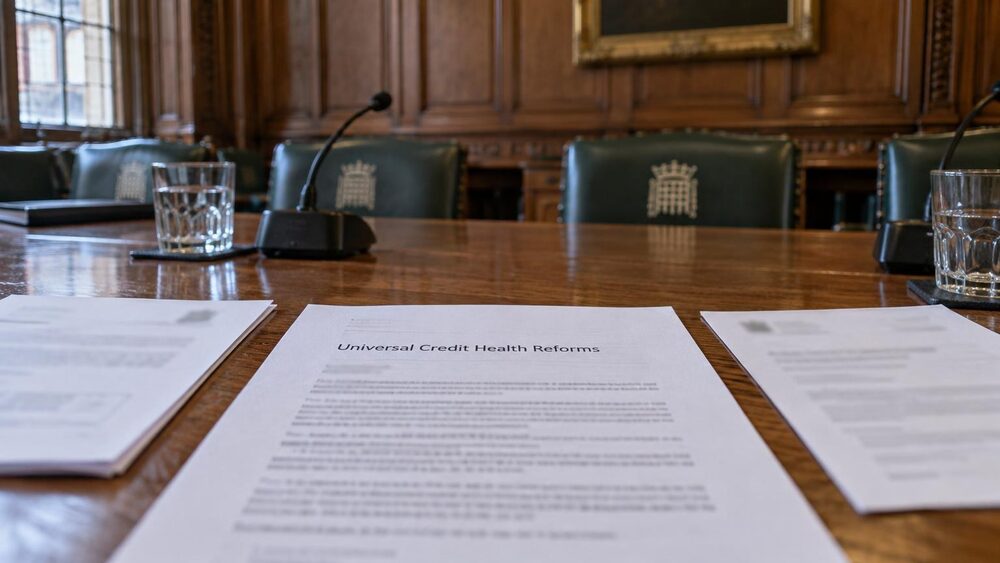
The Work and Pensions Committee wrote to the Secretary of State in May calling for a pause of the planned reforms to UC health and Personal Independence Payments (PIP), and for PIP policy to be co-produced with disabled people1. The committee's Pathways to Work report, published on 29 July 2025, repeated calls to delay planned cuts in UC health reform until the full impact of the changes is better understood1.
Under the planned reforms to UC health, from April 2026, claimants assessed as having limited capability for work and work-related activity will see their awards halved from £423.27 to £217.261. All existing claimants and new claimants with severe or terminal conditions will be protected1. The change forms part of the Government's drive to get more people off welfare and into work, as set out in its Pathways to Work Green Paper1.
The committee said the Government's own analysis, published in March, indicates that from next April approximately 50,000 people who develop a health condition or become disabled, and those who live with them, will enter poverty by 2030 as a result of the reduction in support of the UC health premium1. MPs raised concerns that some conditions, particularly serious mental health conditions, might not be included under the severe condition criteria, and that this also applies to people with fluctuating conditions1. The committee also asked the Secretary of State why an assessment of safeguarding risks had not been conducted before the Green Paper was published1.
The Government subsequently dropped all the PIP proposals and agreed to co-produce a new PIP assessment process with disabled people and their organisations in a review led by Sir Stephen Timms1.
"We welcome the concessions that the Government made to the UC and PIP Bill (now the UC Bill); but there are still issues with these welfare reforms not least with the cut in financial support that newly sick and disabled people will receive."
"The Government's own analysis published in March indicates that from next April approximately 50,000 people who develop a health condition or become disabled - and those who live with them - will enter poverty by 2030 as a result of the reduction in support of the UC health premium."
Why it matters for households
The reduction applies to the health component of Universal Credit for claimants assessed as having limited capability for work and work-related activity, and takes effect from April 20261. Existing claimants at that point, and new claimants with severe or terminal conditions, are protected from the cut1. For those not covered by the protections, the award falls from £423.27 to £217.26, a reduction of £206.011.
The committee's concern is that the severe condition criteria may not capture some conditions, particularly serious mental health conditions, or people with fluctuating conditions, leaving them outside the protection1. It also questioned why a safeguarding risk assessment was not carried out before the Green Paper was published1. The Government's March analysis, as cited by the committee, puts the number of people who develop a health condition or become disabled, and those who live with them, entering poverty by 2030 at approximately 50,0001.
Attendance Allowance, which is for people over State Pension age, is a separate benefit and is not part of these changes as reported1.
What happens next
The committee has recommended delaying the cuts to the UC health premium, noting that other policies such as additional NHS capacity, employment support, or labour market changes to help people stay in work have yet to materialise1. The PIP proposals have been dropped, with a new assessment process to be co-produced with disabled people and their organisations in a review led by Sir Stephen Timms1. No date has been reported for a Government response to the committee's recommendation to delay the UC health cuts1.
Sources1 cited
- Concerns new UC health claimants could face poverty - Committees - UK Parliament committees.parliament.uk

 Turn2usFree benefits calculator and grants search from a charity
 Citizens AdviceFree advice on money, consumer and legal problems in England and Wales
 GOV.UKOfficial information on tax, benefits and government services
 MoneyHelperFree, impartial money and pensions guidance, set up by government