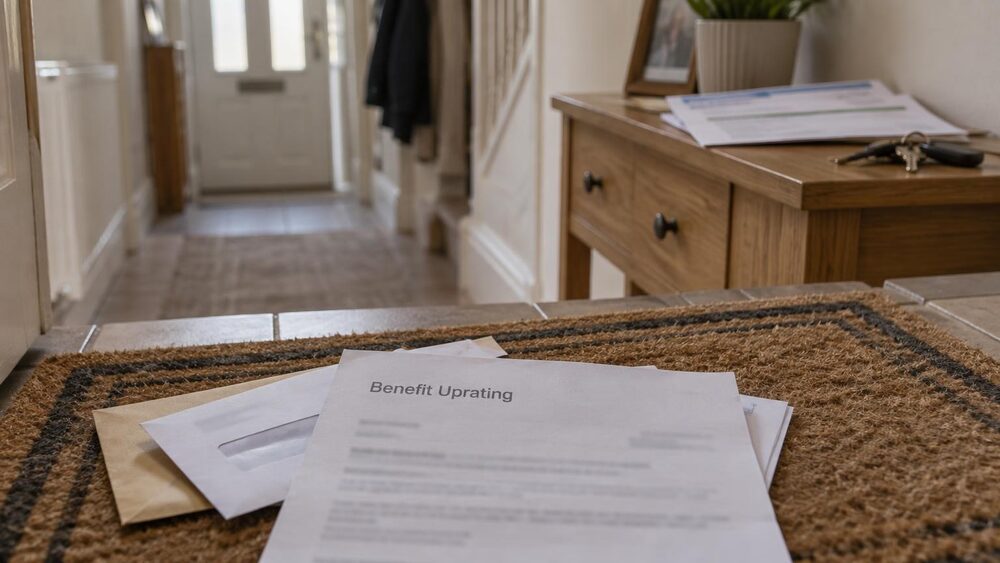
Benefits were increased by 6.7 per cent in April 2024, an inflation-based uprating, the Joseph Rowntree Foundation reports in its Minimum Income Standard study published on 2 September 20241. The same month brought rises in Council Tax, water and broadband prices1. The final cost of living payments, intended for households most likely to be affected by rising costs, were made in February 2024, and the report says no further support has been announced1.
The report sets out what the public agreed is needed for a minimum socially acceptable standard of living, drawing on more than 130 hours of discussion held across the UK between May 2023 and March 2024, with all items priced in April 20241. It puts the earnings needed at £28,000 a year for a single person and £69,400 a year for a couple with two children1. A couple with two children where one parent works full time on the National Living Wage and the other does not work reached 66 per cent of the Minimum Income Standard in 2024, down from 74 per cent in 20231.
The 2024 study rebased budgets for all household types in the same year for the first time since the series began in 20081. The updating cycle has changed as a result: budgets will be uprated by inflation in odd-numbered years, with new primary research every two years, alternating between a review and a rebase1. Working-age households identified a need for extra money to meet health needs, and groups added a healthcare budget of £200 a year per parent or working-age adult to cover services such as physiotherapy or counselling while waiting for NHS treatment1.
"April 2024 saw an inflation-based increase in benefits of 6.7%. However, Council Tax, water and broadband prices all rose in April."
The report also notes transport cost changes: rail fares rose 4.9 per cent in England and Wales in March 2024, and 8.7 per cent in Scotland from 1 April 20241. It records that the final cost of living payments were made in February 2024, with no announcements of further support being planned1.
Why it matters for households
The 6.7 per cent uprating applied to benefit rates from April 2024, so households receiving those payments saw their amounts rise by that percentage1. The report's comparison is with other April 2024 bills: Council Tax, water and broadband all rose in the same month, so the benefit increase did not translate into a uniform change in what households had left1. The withdrawal of cost of living payments after February 2024 removes a source of support that had been paid to households most likely to be affected by rising costs1. The report states that without these payments, working households may struggle to meet the challenges posed by inflation, even though inflation fell between May 2023 and April 2024 and was forecast to reach 2 per cent in the second half of 20241.
The gap between the Minimum Income Standard and the incomes of some working households widened in the report's figures: the couple with two children on one full-time National Living Wage reached 66 per cent of the standard in 2024, against 74 per cent in 20231. The report also records that working-age households identified a need for additional money for health costs, reflecting difficulty accessing help through the NHS1.
What happens next
The report sets out a changed schedule for future updates: inflation uprating in odd-numbered years, and new primary research every two years, alternating between review and rebase, with the next rebase planned for 20281. It notes that the expanded versions of the free hours childcare subsidy scheme are scheduled to start in September 2024 and September 20251. The report says future updates will help assess whether the government's objective to improve living standards has enabled more people to meet their needs1.
 Turn2usFree benefits calculator and grants search from a charity
 Citizens AdviceFree advice on money, consumer and legal problems in England and Wales
 GOV.UKOfficial information on tax, benefits and government services
 MoneyHelperFree, impartial money and pensions guidance, set up by government