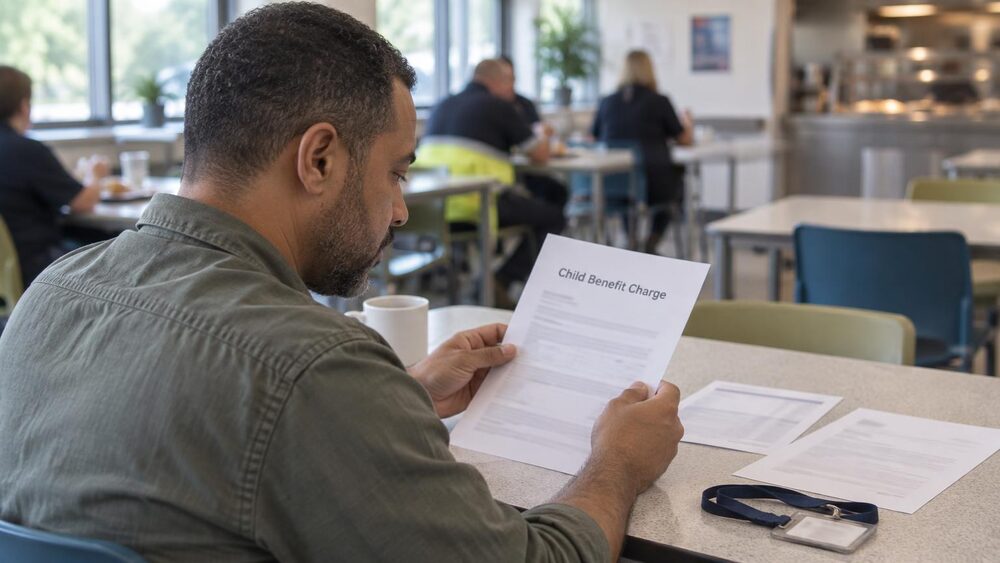
Chancellor Jeremy Hunt announced in the Spring Budget on 6 March 2024 that the High Income Child Benefit Charge thresholds would rise from April 2024. The base threshold at which the charge begins increases from £50,000 to £60,000, and the upper threshold at which Child Benefit is taxed away in full rises from £60,000 to £80,0001.
The charge applies where either partner individually has taxable income above the threshold; joint income is not counted, so a couple each earning £59,000 is not affected2. Under the previous rules, the charge equated to 1% of Child Benefit paid for every £100 of income between £50,000 and £60,0001. From April 2024, the charge equates to 1% of Child Benefit for every £200 of income between £60,000 and £80,000, so an income of £70,000 incurs a charge of 50% of Child Benefit1.
According to Mr Hunt, the change should save approximately half a million families an average of £1,300 a year and take around 170,000 families out of paying the charge altogether1. The Resolution Foundation put the gain at an average of £1,260 each for almost half a million families, and said the move "halved the rate of that taper"3. Which? reported that had the threshold risen with average wages since its introduction, it would be £71,7741.
Child Benefit rates for 2024-25 are unchanged by the Budget1:
| Children | Total weekly Child Benefit | Total annual Child Benefit |
|---|---|---|
| 1 | £25.60 | £1,331.20 |
| 2 | £42.55 | £2,212.60 |
| 3 | £59.50 | £3,094 |
| 4 | £76.45 | £3,975.40 |
| 5 | £93.40 | £4,856.80 |
The Budget also announced a consultation on moving the charge to a household-based system, to be introduced by April 20261. Entitledto reported that the Chancellor had asked HMRC to "go further and move to a household basis for assessing income", and that the government would set out "in due course" how employed customers could pay through their tax code without registering for Self Assessment4. It noted the decision would fall to a future Chancellor, and that a cost-neutral household system would mean a start point for couples at a joint income of around £86,000, bringing around half a million two-earner couples into the charge for the first time4.
"The Chancellor raised the threshold at which Child Benefit starts to be tapered away to £60,000, and halved the rate of that taper."
Why it matters for households
From April 2024, households where the higher-earning partner has taxable income below £60,000 no longer pay the charge at all, and those with income between £60,000 and £80,000 pay a reduced amount1. Entitledto states that people with income between £60,000 and £80,000 are better off claiming Child Benefit and paying the charge than not claiming it, and that anyone with income over £80,000 faces a charge equal to 100% of their Child Benefit2. Claiming Child Benefit, even where no payment is received, can qualify the claimant for National Insurance credits that protect State Pension entitlement2.
The Resolution Foundation said the Budget left workers on middle and slightly higher earnings, £26,000 to £60,000, the net winners by 2027-28, while taxpayers earning £19,000 or less are worse off once threshold freezes are counted3. It also said the Budget pencilled in a 13 per cent real per-capita fall in day-to-day spending for unprotected departments between 2024-25 and 2028-29, equivalent to cuts of £19 billion3.
What happens next
The threshold changes take effect from April 20241. The consultation on a household-based system is intended to lead to introduction by April 20261. Entitledto reports that the move to a household basis for income assessment was stated to occur in April 2026, but that the decision will fall to the next Chancellor4. Details of how employed customers will pay the charge through their tax code, without registering for Self Assessment, have not yet been published4.
Sources4 cited
- Child benefit earnings cap to be eased - Which? which.co.uk
- Child Benefit Charge - Entitledto entitledto.co.uk
- Back for more? • Resolution Foundation resolutionfoundation.org
- Is it time to change the High Income Child Benefit Charge? entitledto.co.uk
 Turn2usFree benefits calculator and grants search from a charity
 Citizens AdviceFree advice on money, consumer and legal problems in England and Wales
 GOV.UKOfficial information on tax, benefits and government services
 MoneyHelperFree, impartial money and pensions guidance, set up by government