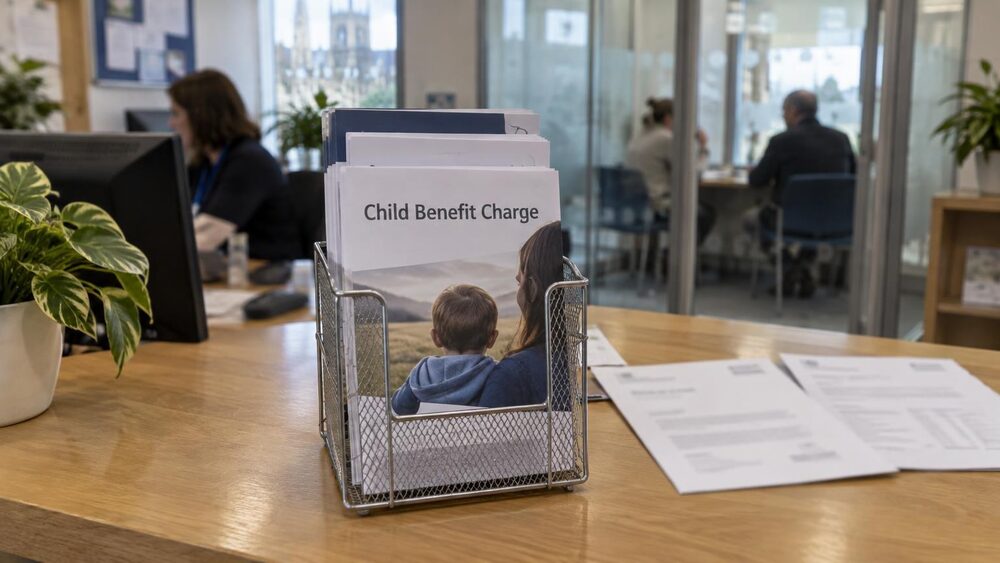
The Chancellor, Jeremy Hunt, announced in the 2024 Spring Budget on 6 March 2024 that the high income child benefit charge will move to a household-based system, to be introduced by April 20261. The same Budget raised the individual income thresholds at which the charge begins and at which child benefit is repaid in full1.
Under the current rules, a tax charge known as the high income child benefit charge applies if either a claimant or their partner has an annual income over £50,0001. The charge equates to 1% of the child benefit paid for every £100 of income between £50,000 and £60,000, so that if either parent earns more than £60,000 the benefit must be repaid in its entirety1. From April 2024 the base threshold rises to £60,000 and the point at which the benefit must be paid back in full rises to £80,0001. The new charge equates to 1% of the child benefit paid for every £200 of income between £60,000 and £80,0001. According to Mr Hunt, this should save approximately half a million families an average of £1,300 a year and take around 170,000 families out of paying the charge altogether1.
"The Chancellor also announced a consultation to move the high-income child benefit charge to a household-based system to be introduced by April 2026."
It is currently unclear whether the move to a household-based system would involve another increase to the threshold1. The high income child benefit charge is levied on the person with the higher income, which means a couple earning £49,999 each can receive full child benefit while a couple where one parent earns £60,000 and the other earns nothing loses the entire benefit1.
Child benefit rates for 2024-25 are £25.60 per week for the eldest child and £16.95 for each younger child1. There is no upper limit on the number of children that can be claimed for1.
| Number of children | Total weekly child benefit | Total annual child benefit |
|---|---|---|
| 1 | £25.60 | £1,331.20 |
| 2 | £42.55 | £2,212.60 |
| 3 | £59.50 | £3,094 |
| 4 | £76.45 | £3,975.40 |
| 5 | £93.40 | £4,856.80 |
Anyone responsible for a child under 16, or under 20 and in an approved form of education or training, is eligible for child benefit, and it can only be paid to one person1. Claims can be made online via gov.uk from 48 hours after a child's birth is registered, and HMRC says payments could arrive in as little as three days, with payments backdated for up to three months1.
Why it matters for households
The threshold change takes effect from April 2024, so families where the higher earner has income between £50,000 and £60,000 keep more of the child benefit they would previously have repaid through the charge1. Families where the higher earner has income between £60,000 and £80,000 now repay on a gentler slope, at 1% of the benefit for every £200 of income rather than every £1001. Those with income above £80,000 still repay the benefit in full1. The charge continues to be assessed on individual income until any household-based system takes effect, so the treatment of a couple with two incomes just below the threshold and a couple with one earner above it remains different in the meantime1. The consultation concerns the design of a household-based system rather than a confirmed set of rules, and no further threshold change has been reported1.
What happens next
The consultation on a household-based system is to be introduced by April 20261. The new thresholds apply from April 20241.
Sources1 cited
- Child benefit earnings cap to be eased - Which? which.co.uk
 Turn2usFree benefits calculator and grants search from a charity
 Citizens AdviceFree advice on money, consumer and legal problems in England and Wales
 GOV.UKOfficial information on tax, benefits and government services
 MoneyHelperFree, impartial money and pensions guidance, set up by government