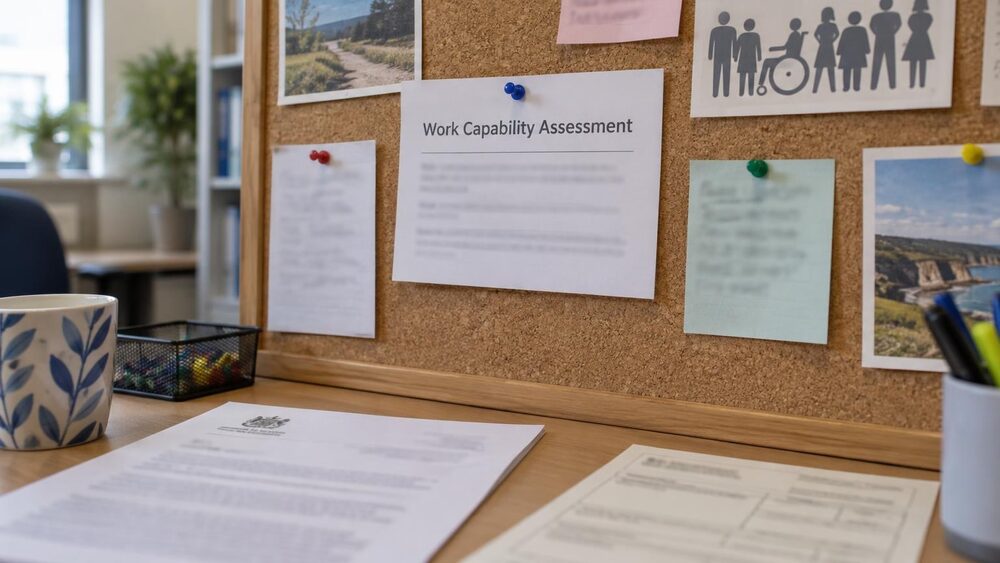
The High Court has ruled that the Department for Work and Pensions acted unlawfully in its 2023 consultation on changes to the Work Capability Assessment, the test used to decide eligibility for the health component of Universal Credit or Employment Support Allowance1.
Mr Justice Calver found the consultation was "misleading", "rushed" and "unfair"1. The court held that the DWP presented the reforms as a way to support disabled people into work without making clear that cost savings was a "primary rationale"1. The judge also found the consultation failed to explain that the planned reforms would lead to 424,000 disabled people receiving lower benefit rates, and that many would be worse off by at least £416.19 per month1. The consultation ran for just under eight weeks before the cost-saving changes were announced in the Autumn Statement 2023, and the court found it was unlawfully short given the circumstances1.
Internal DWP documents disclosed during the judicial review showed that the department had not carried out any employment, equality or disability assessment on the impact of the proposals before the consultation was launched, though civil servants had identified that almost 100,000 people could move into poverty under certain internal estimates1. An equality impact assessment completed after the consultation was launched remains unpublished1. Civil servants were aware the proposals would have a particularly strong impact on those with pre-existing significant mental health conditions and suicidal ideation1. Documents also recorded that proposals were put to ministers based on fiscal impact, with emphasis on savings that could be announced for the Autumn Statement 20231.
"I am overjoyed that the court has recognised the importance of properly consulting Deaf and Disabled people on reforms that would leave many worse off by at least £416.19 per month."
Ellen Clifford said an internal DWP estimate indicated that 100,000 disabled people classed as highly vulnerable would be pushed into absolute poverty by 2026/27 as a result of the types of cuts proposed in the consultation1. The Public Law Project said the consultation did not properly explain that many people would receive significantly less money and could face conditions, with a risk of sanctions if not met1. Inclusion London said the policy, if implemented, "would be devastating for at least 450,000 Disabled people"1. The Public and Commercial Services Union said the changes would see more than half a million more Deaf and Disabled people at risk of sanction1.
Why it matters for households
The judgment concerns the Work Capability Assessment, which the DWP uses to evaluate whether Deaf and Disabled people are eligible for the health component of Universal Credit or Employment Support Allowance1. The court found the consultation did not disclose that 424,000 disabled people would receive lower benefit rates, or that many would be worse off by at least £416.19 per month1. Those figures describe the effect the reforms were assessed to have had they been implemented; the judgment does not itself change benefit rates or entitlement. The ruling means the consultation process behind the proposals has been found unlawful, and the reforms it covered have not been implemented on the basis of that consultation.
What happens next
The Public Law Project, Inclusion London, Disabled People Against Cuts and the PCS union have called on the government to scrap the proposed changes to the Work Capability Assessment1. The Public Law Project has also called for fair and lawful consultation with disabled people in future1. No government response to the judgment, and no decision on whether the reforms will be dropped or re-consulted on, has been reported1. The judgment was published on 16 January 20251.
 Turn2usFree benefits calculator and grants search from a charity
 Citizens AdviceFree advice on money, consumer and legal problems in England and Wales
 GOV.UKOfficial information on tax, benefits and government services
 MoneyHelperFree, impartial money and pensions guidance, set up by government