
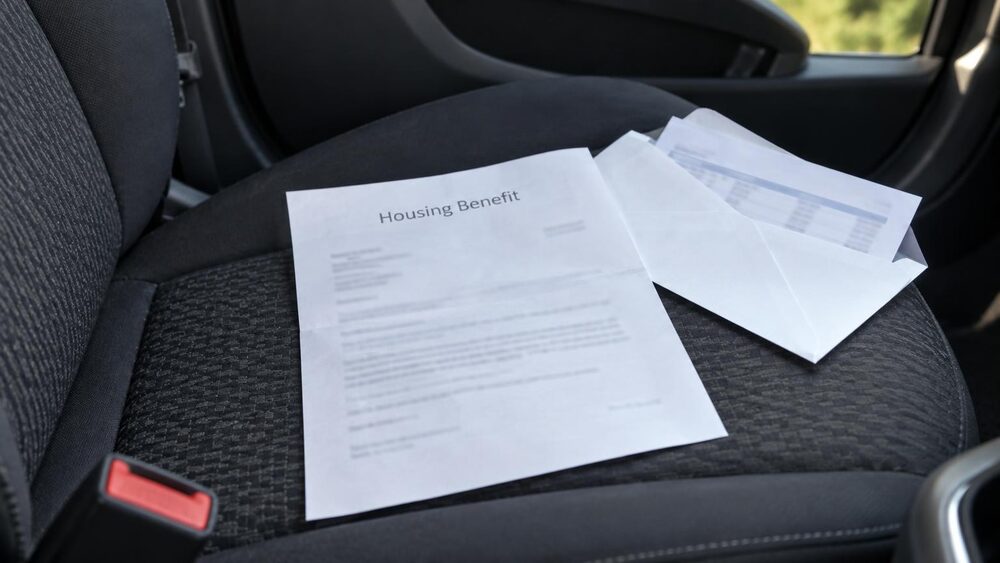
The government announced changes to the Warm Home Discount last month, including allowing 750,000 households, among them people receiving housing benefit, to receive the discount1. The Department for Business, Energy and Industrial Strategy (BEIS) has also started a consultation on whether the rebate in Scotland should be extended to more people and increased from £140 to £1501.
The Warm Home Discount is a discount of £140 on electricity bills, run by the government and regulated by Ofgem, aimed at easing the burden of high payments in the colder months1. BEIS has proposed that the initiative should be extended to include smaller energy suppliers in Scotland too, and that it should rise to £150, putting it on a par with how it will work in England and Wales from October 20221. The government has proposed an update in Scotland that could see a further 50,000 households get money off their energy bills, meaning more than 280,000 Scottish households would be eligible1. The rebate would also be extended until 2026 in Scotland, as the cost of living crisis continues1.
This follows Chancellor Rishi Sunak extending eligibility to the Warm Home Discount by almost a third more people in the UK, allowing three million households to benefit from it, and plans to increase it by £101.
"The government announced changes would be coming to the Warm Home Discount last month such as allowing 750,000 households, including people receiving housing benefit, to receive it."
Two groups are currently eligible. The Core group is made up of customers who receive the Guarantee Credit element of pension credit. The Broader group covers people on low income or who qualify for certain means-tested benefits; each energy supplier has its own eligibility criteria for this, approved by Ofgem1. Those in the Core group should automatically receive the discount on their bill without taking any action, while those in the Broader group have to apply through their energy provider1.
| Group | Who it covers | How it is received |
|---|---|---|
| Core | Customers receiving the Guarantee Credit element of pension credit | Automatically on the bill |
| Broader | People on low income or qualifying for certain means-tested benefits | Apply through the energy provider |
Why it matters for households
The discount is worth £140 at present, with a proposed rise to £150 in Scotland and a planned £10 increase announced for the UK scheme1. The changes announced last month would bring 750,000 more households into eligibility, including people receiving housing benefit, and take the total number able to benefit to three million1. For households in Scotland, the consultation proposes extending the rebate to smaller energy suppliers and to a further 50,000 households, taking the total there to more than 280,000, and running the scheme until 20261. Energy bills are expected to climb significantly once more when the next price cap level comes into force in October, with annual payments already reaching £1,971 for a typical home1. People who do not qualify for the discount may be covered by other schemes, including the Energy Company Obligation, the Cold Weather Payment and the Winter Fuel Payment1. The Cold Weather Payment goes to households in receipt of benefits to meet the extra cost of energy during very cold weather, and to qualify the average temperature where you live must fall or be forecast to fall to 0°C or below for seven consecutive days between 1 November and 31 March each year1. The Winter Fuel Payment is a tax-free payment from the government available to help older people during the winter months, and the amount depends on circumstances including how many people live in the household, whether the person lives in a later life care facility and whether they receive any benefits1. Both are paid automatically to those who qualify1.
What happens next
The consultation is open now and will close on 22 May 20221. The £150 rate and the extension to smaller suppliers in Scotland are proposals, and the outcome of the consultation has not been reported.
 Turn2usFree benefits calculator and grants search from a charity
 Citizens AdviceFree advice on money, consumer and legal problems in England and Wales
 GOV.UKOfficial information on tax, benefits and government services
 MoneyHelperFree, impartial money and pensions guidance, set up by government