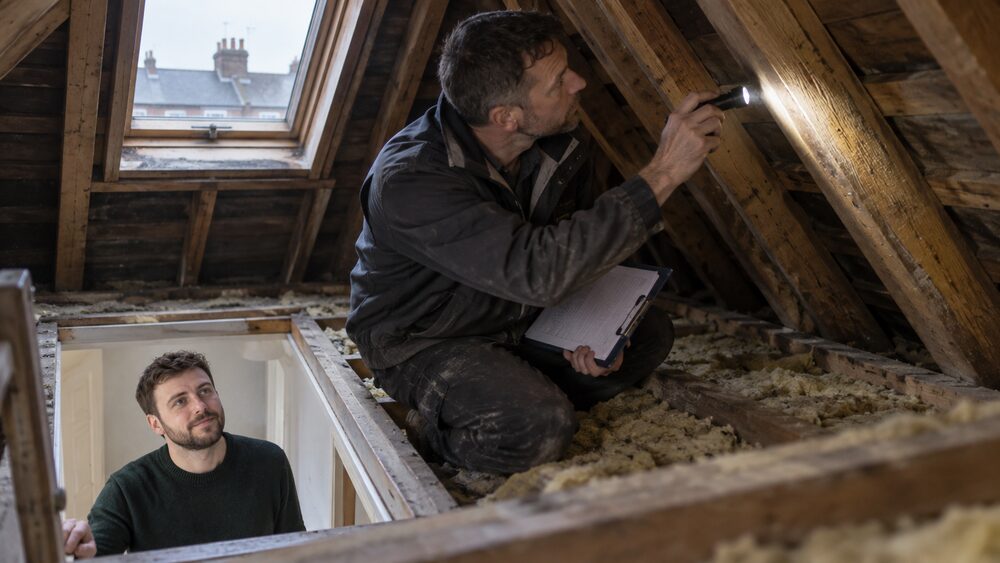
A mortgage valuation is a short, limited check that a lender commissions to confirm a property is worth roughly what you have agreed to pay for it. It is not a survey of the property's condition, and it is not carried out for your benefit: the valuer reports to the lender, and even if you pay for the valuation you might never see the report1. The surveyor usually spends about 15 to 30 minutes at the property looking for obvious defects that could affect its value1.
The cost is often nothing at all: most lenders offer a free basic property valuation on new applications2, and where a fee is charged, typical valuation fees are around £100 to £3003. The figure that matters most to the lender is the loan to value ratio, worked out by dividing the mortgage amount by the value of the property and multiplying by 1004.
A mortgage valuation protects the lender, not you
A mortgage works because the property is security for the loan: while the borrower repays the loan, the lender retains a charge (or security) over the property5. That is why the lender needs to know what the property is worth before it lends. A mortgage valuation, also known as a valuation survey, is commissioned by the lender to assess whether the house is worth what you are planning to pay for it6, and its scope is limited: it only provides information for the lender's purposes, to make sure the property meets the lender's criteria for lending7.
This has practical consequences for the buyer. The valuation exists so the lender can work out its loan to value, the ratio of the loan to the property's value, which shapes how much it will lend and on what terms4. If the value comes back below the price, the lender revises its offer downwards, and the gap is yours to fill, not the lender's.
The same principle runs through several products that sound as though they protect the borrower but do not. Mortgage indemnity insurance and mortgage indemnity guarantees protect the lender: the insurance protects the lender, not you8, and a mortgage indemnity guarantee protects the lender against loss if you borrow a high proportion of your property's value and cannot repay the mortgage9. Under the Help to Buy mortgage guarantee scheme, the guarantee protects the lender against any losses, and the scheme does not guarantee your payments10.
The Financial Ombudsman has tested where responsibility lies when a valuation proves wrong. In one published case, a complainant named Terry could not get the mortgage he expected after a valuation came in low; the ombudsman did not hold the bank responsible for the report and thought it was reasonable for the bank to use the independent valuation to decide how much to lend11. The lesson for a buyer is that the lender's valuation is a commercial decision the lender is entitled to make on its own evidence.
What the valuer checks and how the value is worked out
The valuer's job is to estimate the present market value of the property, and the standard method is comparison. The value is worked out by looking at three sales transactions of similar types of properties in the local area, together with the professional's knowledge of the local market1. The surveyor takes about 15 to 30 minutes to look around the property for any obvious defects that could affect its value1. Official guidance on valuation visits puts the usual duration in the same range: visits usually take 10 to 30 minutes12.
The surveyor produces a report giving basic information about the property and indicating its likely value, and it is this report the lender relies on when making its lending decision7. The surveyor may also provide the lender with a minimum reinstatement value, which is the amount you would need to rebuild the property from the ground up, and which is useful when getting buildings insurance cover1.
Two numbers come out of the process, and they serve different purposes. The market value drives the lending decision, because the lender calculates its loan to value from it4. The reinstatement value drives the buildings insurance the lender will require as a condition of the mortgage, since insurance cover needs to match the cost of rebuilding rather than the price of the home1. Neither number tells you whether the wiring, the roof or the drains are sound, because that is not what the visit is for.
Desktop, automated or in person: how valuations are carried out
Not every valuation involves a visit. A desk-based valuation involves analysis of local house price data, using the Land Registry or another house price index, and an algorithm to provide an automated valuation1. Desktop valuations are undertaken remotely by a qualified valuer13. Lenders use these where the loan to value is low or the property is straightforward, because the risk to them is smaller and the data is often enough.
Where a scheme or lender needs more assurance, the process can run in stages. Under the Scottish Home Owners' Support Fund, the Open Market Value of a property is determined by independent surveyors, initially as a desktop valuation and then a survey of the home14. Official guidance for Help to Buy valuations shows how much evidence a desktop valuation can be required to carry: where a property has increased or decreased in value, the valuer must provide at least 6 comparable properties and sale prices from the last year15. Help to Buy Wales applies a similar rule for a desktop valuation, requiring 3 more comparable properties in addition to the 3 used in the original valuation, with sale prices within the last 12 months16.
For the borrower, the practical difference is simple. A desktop valuation means nobody sets foot in the property, so defects that a brief visit might have flagged, such as visible damp, can go unnoticed until later. An in-person visit is more thorough but still short, typically 15 to 30 minutes1. Either way, the valuation is a point-in-time estimate: under Help to Buy Wales rules, a valuation is valid for 3 months from the date of inspection16, and a lender may ask for it to be refreshed if a purchase drags on.
Valuation fees: often free, otherwise around £100 to £300
Many lenders offer free valuations as part of their mortgage deals1, and most lenders offer a free basic property valuation on any new applications2. Where a fee is charged, some lenders charge a flat fee, for example £100, while others use a sliding scale based on the property's value, and it should not cost more than a few hundred pounds1. Independent cost calculators put typical valuation fees at around £100 to £300 where they are not offered free3, and both the cost of buying and the cost of moving calculators use £150 as the typical mortgage valuation fee for buying an averagely priced property3.
Where a lender uses a sliding scale, the fee rises with the property's value. One published mortgage tariff of charges, from a credit union lender, shows the pattern: £180 for a property not exceeding £100,000, £210 up to £150,000, £270 up to £250,000, £300 up to £300,000, £390 up to £450,000 and £420 up to £500,00018. That schedule also states that valuation fees are inclusive of VAT18, which is worth checking on any fee you are quoted, because a fee quoted without VAT will cost more than it looks.
| Property value (not exceeding) | Mortgage valuation fee |
|---|---|
| £100,000 | £18018 |
| £150,000 | £21018 |
| £250,000 | £27018 |
| £300,000 | £30018 |
| £450,000 | £39018 |
| £500,000 | £42018 |
Fees also arise outside a purchase. If you are porting your mortgage to a new home, you will usually have to pay a valuation fee so your lender can check that the new property is worth roughly what you are planning to pay for it, and even if you keep your existing mortgage for the new house you may still have to pay certain fees, such as a valuation survey fee19. Most lenders offer a free basic valuation on new applications, but there is often a fee for any further advance applications, where you borrow more on your existing mortgage2.
A valuation is not a survey
A mortgage valuation is not the same as a house survey, and the guidance is that one should never be relied on to confirm whether the property is in good enough condition to buy: the independent advice is to always get your own house survey before buying a home1. The valuation answers one question, what the property is worth, for one audience, the lender. A survey answers a different question, what condition the property is in, for you.
The distinction is recognised in the rules of official schemes. The government's Help to Buy guidance states plainly: "We cannot accept valuations that are made for bank or mortgage purposes"20, and the same wording appears in the guidance on remortgaging a Help to Buy home21. When a Help to Buy borrower needs a valuation, they must choose a surveyor, arrange and pay for the report themselves, and the surveyor must not be related or known to them15. The same boundary exists in later-life lending: a valuation for equity release is not a detailed survey or a marketing appraisal22.
Because the lender's valuer spends perhaps a quarter of an hour in the property1, defects that are expensive but not visible on a brief walk-round, such as subsidence, structural movement or problems hidden behind finishes, can pass unremarked. A buyer who relies on the mortgage valuation and skips their own survey has no report on the condition of the building and no comeback against the lender's valuer, whose duty is to the lender7. The cost of a proper survey sits alongside the valuation fee in the overall cost of buying, and it is the buyer's to pay.
Where a mortgage valuation falls short
The first limitation is access. Even if you pay for the mortgage valuation, you might not ever see the valuation report or find out what the surveyor has told the lender1. The report is written for the lender's purposes, to make sure the property meets its criteria for lending7, so a buyer can be left to infer the valuer's thinking from the lender's decision.
The second limitation is scope. A 15 to 30 minute visit1 cannot assess condition in any depth, and a desk-based valuation involves no visit at all, just data analysis and an algorithm1. Problems that would surface in a buyer's survey can therefore arrive as a surprise after completion, when the cost of putting them right falls entirely on the owner.
The third limitation is what happens when the process around the mortgage goes wrong in other ways. Mortgage underfunding occurs when mortgage payments are not set up on the correct basis, meaning the customer is not paying enough, usually without realising, and then faces paying back more than expected or over a longer period. That is a separate failure from a valuation, but it shows how much can ride on figures a borrower does not check themselves.
There is a product designed for the risk that a purchase collapses before completion. Home buyers protection insurance covers you if the transaction falls through and helps you recoup some of the outlay, such as valuation, mortgage and conveyancing fees23. Whether it is worth buying depends on the premium and the buyer's circumstances, and it is a cost to weigh against the chance of losing the fees already paid.
What happens if the property is valued below the price
A down valuation occurs when a surveyor decides a property is worth less than the agreed sale price, or the proposed remortgage value1. When it happens, the lender bases its offer on the valuation, not the price, and the arithmetic can turn a planned purchase upside down. The independent worked example shows how: buying a £250,000 property with a £25,000 deposit needs a 90% mortgage of £225,000, but if the lender's surveyor decides the property is actually worth £200,000, 90% of that is £180,000, giving £205,000 in total and a £45,000 shortfall the buyer must find1.
The consequences reach beyond the purchase. If a property is later repossessed and sells for less than the borrower owes, the lender may want the borrower to pay back the rest of the debt, the mortgage shortfall24. On a guarantor mortgage, the stakes spread to the family member who guaranteed the loan: in the worst-case scenario, if the lender had to repossess and sell the property for less than the amount remaining on the mortgage, the family member could stand to lose their home25.
Down valuations also interact with government equity schemes, where the valuation can determine what is owed. On repaying a Help to Buy equity loan in full, the amount due is based on the market value of the home, as set out in a compliant RICS valuation report, or the price the home sells for, whichever is higher26. Help to Buy Wales applies the same principle: repayment is a percentage of the market value at the time of repayment, determined by a RICS valuation, or the sale price if selling, whichever is highest27. Under Scotland's First Home Fund, a buyer can offer more than the valuation of the property, but must make up the difference in cash if they do so28.
Your options after a down valuation
The first option is to renegotiate. If you receive a down valuation on the property you want to buy, the first thing to do is try to renegotiate the sale price with the seller, because a down valuation is a strong bargaining tool1. A seller facing a buyer who cannot proceed at the agreed price, because no lender will fund it, often has little choice but to move towards the valuer's figure or lose the sale.
The second option is to challenge the valuation. Customers may appeal against down valuations, but strong evidence will be needed, such as recent local sales data29. The same guidance notes a common cause: a surveyor notes some unforeseen problem with the property, such as damp, that will need remedial works and which in turn affects the property's current value, and where that is the reason, a revaluation following completion of the work may resolve the issue29. The general principle of challenging a valuation with better evidence, getting an independent valuation yourself and asking the decision-maker to change their mind, is recognised elsewhere in consumer guidance30.
The third option is to try a different lender. Your last resort might be to try an alternative lender that uses a different independent surveyor, which may give a valuation closer to the sale price1. This is not guaranteed, since valuers work from the same local evidence, but surveyors can weigh comparable sales differently. The dedicated guide to challenging a down valuation covers the process in detail.
In Northern Ireland there is a formal route in some circumstances: under the House Sales Scheme, an independent valuer assesses the market value of your home, and if you disagree you can ask for a redetermination by Land & Property Services, whose valuation is final and can go up or down31. That appeal right belongs to that scheme, not to ordinary mortgage valuations, where the decision rests with the lender.
When official schemes value your home
Several government and scheme rules turn on a valuation, and they set their own requirements. For a Help to Buy equity loan, the borrower chooses the surveyor, arranges and pays for the report themselves, and the surveyor must not be related or known to them; the government may reject the valuation report if it does not follow the criteria or is too high or low compared to similar properties15. Valuations made for bank or mortgage purposes cannot be accepted for these schemes at all20.
In Wales, the market value of a home under Help to Buy Wales is determined by an independent organisation, the Royal Institution of Chartered Surveyors, or the price the home sells for, whichever is highest32, and a valuation is valid for 3 months from the date of inspection16. In Scotland, the Home Owners' Support Fund determines the Open Market Value through independent surveyors, initially as a desktop valuation and then a survey of the home14, and under the Mortgage to Rent scheme the home is valued at its current market value by a professional surveyor appointed by the Scottish Government, with values that are not negotiable and no appeal process33.
The common thread is that scheme valuations are evidence for a specific official purpose, whether that is repaying an equity loan26, qualifying for support14, or setting a price under a statutory scheme31. A valuation carried out for one purpose, such as a mortgage application, generally cannot be reused for another20, so a buyer or homeowner dealing with a scheme should expect to commission a fresh valuation to that scheme's rules.
Where to get free help
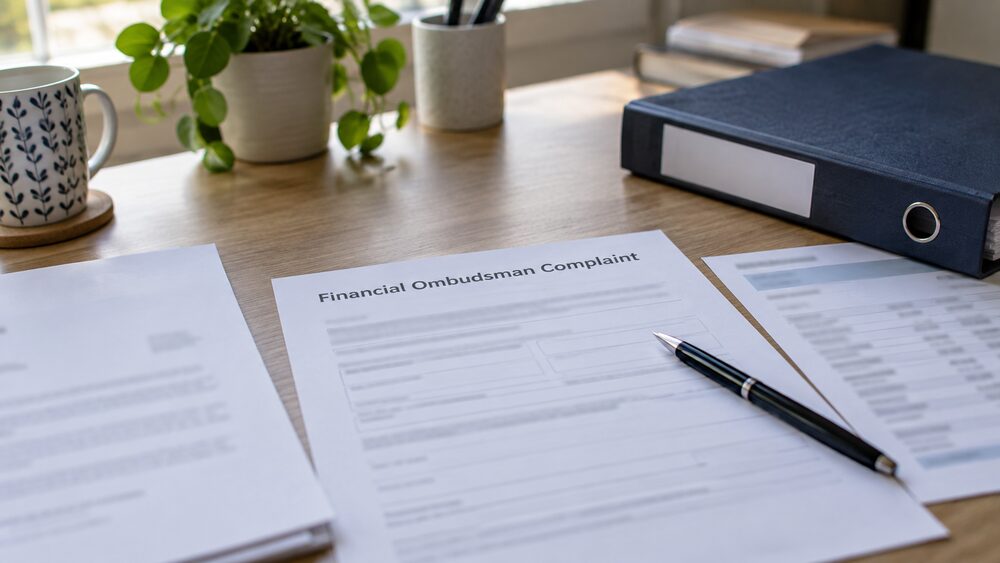
Free, independent help with mortgage problems, including valuation disputes, is available. The Financial Ombudsman can look at complaints about valuations and surveys, and about mortgage underfunding, where a lender has not set payments up correctly7. Its published case studies show how it weighs a lender's use of a valuation against a borrower's complaint11.
For debt and mortgage difficulty, StepChange provides free help with mortgages, including guidance on valuation fees and further advances2, and nidirect carries official guidance for Northern Ireland on mortgage arrears and payment difficulties, including what happens after repossession24. Shelter provides guidance on mortgage shortfall debts after repossession8. None of these charge for their help, and a complaint to the ombudsman is free.
Sources33 cited
- Mortgage valuations explained Which?, 2025-12-18
- How we help with mortgages StepChange, 2026-09-25
- Cost of moving house calculator HomeOwners Alliance, 2026-06-11
- Loan to value (LTV) calculator HomeOwners Alliance, 2026-06-30
- About mortgages Building Societies Association, 2023-01-19
- Home buying and selling jargon HomeOwners Alliance, 2026-07-31
- Mortgage valuations and surveys Financial Ombudsman Service, 2026-09-26
- Mortgage shortfall debts after repossession Shelter England, 2026-08-19
- Financial jargon checker Age UK, 2026-08-26
- Help to Buy mortgage guarantee scheme nidirect, 2025-08-26
- Case study: valuation came in low, now I can't get the mortgage I need Financial Ombudsman Service, 2026-09-26
- Understand how council tax bands are assessed GOV.UK, 2016-01-22
- Can you remortgage if you've been furloughed? Which?, 2020-05-03
- Home Owners' Support Fund property thresholds guidance Scottish Government, 2024-10-31
- How to get a valuation of your Help to Buy home GOV.UK, 2025-08-18
- Help to Buy Wales post-completions guide Welsh Government, 2024-07
- Cost of buying a house calculator HomeOwners Alliance, 2026
- Mortgage tariff of charges Credit Union, 2026
- Porting a mortgage Which?, 2026-06-08
- How to repay your equity loan when you remortgage GOV.UK, 2021-05-05
- How to remortgage your Help to Buy home and borrow more money GOV.UK, 2021-05-05
- Getting your home valued for equity release lending Equity Release Council, 2026
- Is home buyers insurance worth buying? Which?, 2025-03-03
- Mortgage arrears or payment difficulties nidirect, 2025-11-07
- Guarantor mortgages Which?, 2026-04-02
- Help to Buy equity loan repayment guide GOV.UK, 2024-07-29
- Help to Buy Wales buyers guide Welsh Government, 2021-01
- First Home Fund evaluation Scottish Government, 2021-02-24
- My property has been down valued, what can be done about this? Equity Release Council, 2022-12-13
- How bankruptcy affects your belongings Citizens Advice, 2021-12-06
- House Sales Scheme nidirect, 2026-02-18
- Help to Buy Wales buyers guide, phase 3 extension Welsh Government, 2024-09
- Home Owners' Support Fund information booklet Scottish Government, 2015-04



 MoneyHelperFree, impartial money and pensions guidance, set up by government
 StepChangeFree debt advice and solutions from a charity
 Financial Ombudsman ServiceFree, independent help when a complaint about a firm is not put right
 Citizens AdviceFree advice on money, consumer and legal problems in England and Wales
 ShelterFree housing advice from a charity